Truck crashes do not feel like regular car accidents. The damage is heavier. The laws are harsher. The process is slower. When you are hurt by a truck, you face more than pain and repair bills. You face a maze of companies, insurers, and rules that all try to limit what you receive. A truck may belong to one company, carry cargo for another, and be serviced by a third. Each one may have a lawyer. Each one may blame the others. You must move fast to protect evidence, medical proof, and your own voice. You also face federal and state rules that do not apply to normal car crashes. A truck accident lawyer understands these traps. You deserve to know why your case is different and what you can do before time runs out.
Why trucks create more danger on the road
A fully loaded tractor-trailer can weigh up to 80,000 pounds. A passenger car often weighs about 3,000 pounds. That weight gap creates a huge force during a crash. Your body, your family, and your future absorb that force.
Truck crashes often cause:
- Long hospital stays
- Lasting pain and movement limits
- Lost jobs and school time
The Federal Motor Carrier Safety Administration explains how size and weight change risk and stopping distance. You can see that here: FMCSA truck safety guidance.
These harms make your case more than a simple claim for a broken bumper. You often need long-term treatment, time away from work, and help at home. That raises the money at stake. That also raises the fight you may face from trucking companies and insurers.
Many parties may share blame
In a car crash, you often deal with one other driver and one insurer. In a truck crash, you may face a crowd of players. Each one may try to shift blame and shrink your claim.
Possible parties include:
- The truck driver
- The trucking company that hired the driver
- The company that owns the trailer
- The shipper who loaded the cargo
- The maintenance shop that worked on the truck
- The maker of a failed part or tire
Each party may keep separate records, policies, and insurance. You need to find out who did what, when they did it, and how that led to your harm. That takes fast action and clear questions.
Extra laws and rules apply to trucks
Truck drivers and trucking companies must follow both state traffic laws and federal safety rules. You can see examples of these rules in the Federal Motor Carrier Safety Regulations. A good starting point is here: FMCSA regulations overview.
These rules cover issues such as:
- How many hours a driver may stay on duty
- How often must the truck be inspected
- How cargo must be loaded and secured
- What training must the driver complete
- Drug and alcohol testing
When any of these rules are broken, your case changes. You now must show not only that the driver was careless, but that the company ignored safety rules. That can support your claim. It can also require more records, more witnesses, and more time.
Key differences between truck and car cases
The table below shows some clear differences you may face.
🚗 Car Accident vs 🚛 Truck Accident: Key Differences
| Issue | Typical Car Accident 🚗 | Truck Accident 🚛 |
|---|---|---|
| People or companies involved | Usually 2 drivers and 1–2 insurance companies | Driver, trucking company, shipper, loader, maintenance firms, multiple insurers |
| Rules that apply | State traffic laws | State traffic laws plus federal trucking regulations |
| Evidence needed | Police report, photos, medical records | All car crash evidence plus logbooks, black box data, GPS, load records, safety reports |
| Injury risk | Often mild to moderate injuries | Often severe injuries with long recovery periods |
| Insurance coverage | Lower policy limits | Much higher policy limits and aggressive defense teams |
| Case length | Often resolved in months | Often takes longer due to complex investigation |
Evidence in truck cases disappears fast
Truck cases often turn on special types of proof. Much of this proof can change or vanish soon after the crash. That is why quick action matters.
Important proof includes:
- Electronic logging device data that tracks hours of service
- Event data recorder or black box data that shows speed and braking
- GPS and dispatch records that show routes and schedules
- Inspection and repair logs
- Cargo and weight records
- Company safety and training files
Trucking companies control much of this proof. They also have strong reasons to protect themselves. You protect your claim when you act early, ask in writing for records to be saved, and keep your own photos and notes from the crash scene.
learn more about DUI penalties and license suspension in Illinois to see how other legal penalties work for high-risk situations.
Injuries are often more serious and long-lasting

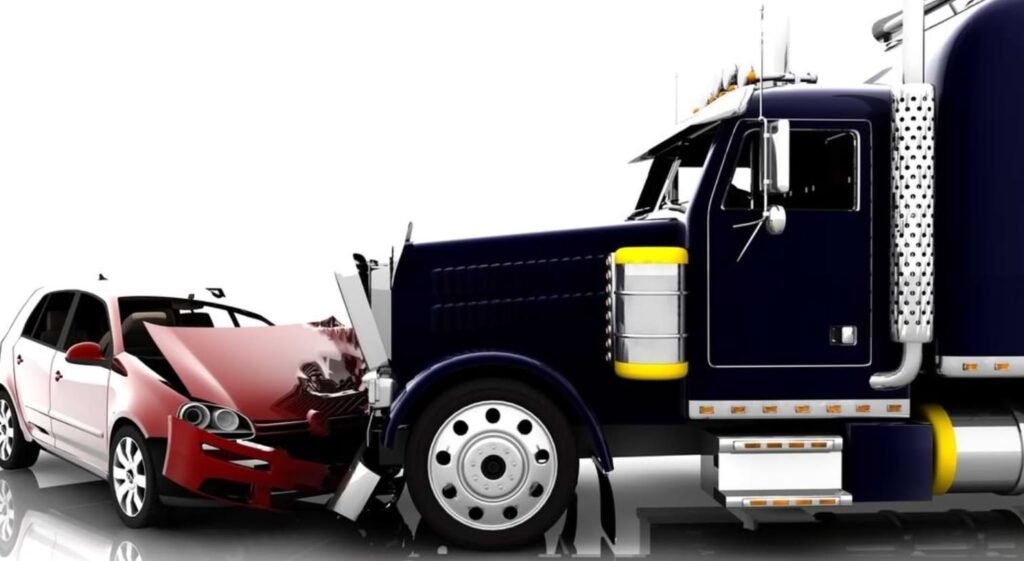
The force of a truck crash often leaves you with more than short-term harm. You may face:
- Head and brain injuries
- Spine and neck injuries
- Broken bones in many parts of the body
- Burns or cuts
- Loss of a limb
These injuries can change how you move, work, and connect with your family. You may need repeat surgery, therapy, and new job skills. Your case must cover not just today, but the years ahead. That includes future treatment costs, lost income, and changes to your home or car.
Insurance companies fight harder in truck cases
Trucking companies often carry high insurance coverage. That means your claim may involve large sums of money. Insurers respond with strong efforts to limit what they pay.
You may see:
- Fast but low settlement offers after the crash
- Requests for wide medical records
- Claims that your pain came from old injuries
- Pressure to give recorded statements
You help protect yourself when you stay calm, keep records of every contact, and avoid signing forms or giving statements until you understand what they mean.
How can you protect yourself after a truck crash?
You cannot control a truck driver or a company. You can control your steps after the crash. Clear actions now can support your health and your claim.
Focus on three key steps:
- Get medical care and follow your treatment plan
- Collect and keep proof, such as photos, witness names, and bills
- Seek legal guidance early so that records are preserved
Each step helps you move from fear toward stability. Truck accident cases are more complex than car crashes for many reasons. Yet with quick action, clear records, and informed support, you give yourself and your family a stronger chance at fair results.