Scooters have always been popular in India due to their reliability and multi-purpose usage. Since each scooter has its own characteristics, buyers sometimes struggle to decide what to consider before purchasing one.
For instance, the Yamaha Fascino 125 has several features that prevent unwanted fuel usage. So, if you have been grappling with a similar confusion, you can set it aside. This blog covers what you need to consider before purchasing your preferred scooter.
What You Need to Consider Before Purchasing an Indian Family Scooter?

Engine Capacity and Power
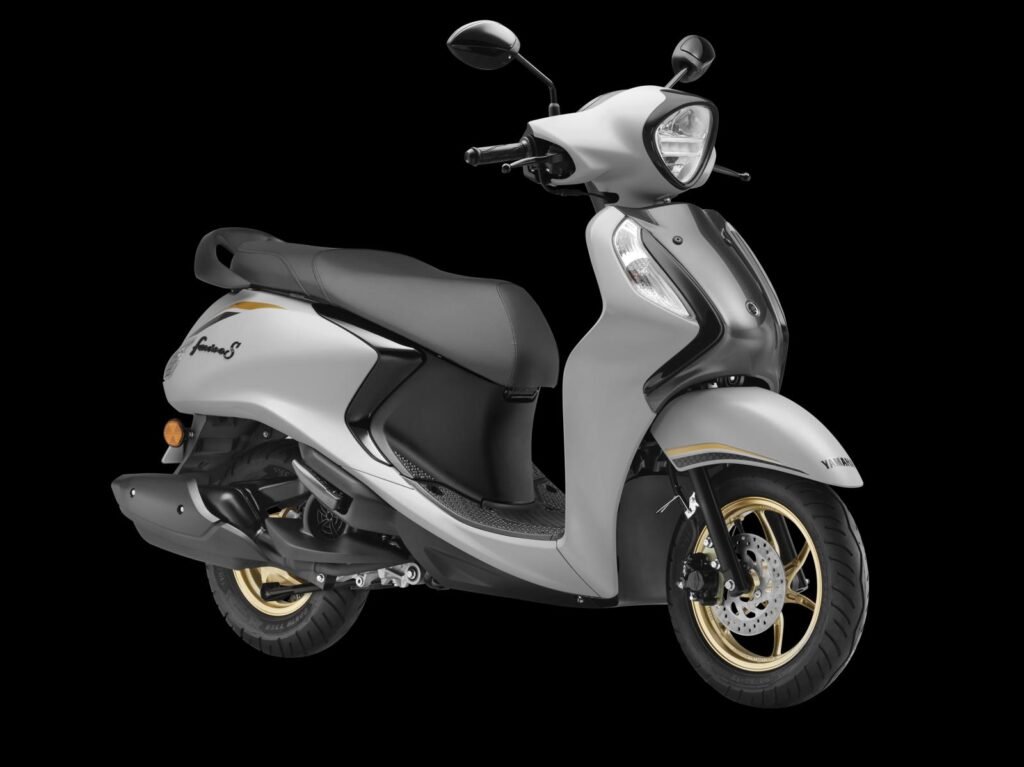
Your scooter’s engine capacity and power delivery will impact how much of a throttle boost you can expect. A scooter with a powerful engine will help you own the roads with ease. For instance, the Yamaha Fascino 125 is powered by a 125 cc FI Blue Core engine and is connected to a battery.
You can expect 6.0 kW (8.2 PS) at 6,500 RPM and 10.3 Nm of torque delivery at 5,000 RPM. Moreover, the fuel-injection capacity ensures that only the fuel required for combustion is used, ensuring controlled power delivery.
Fuel-efficiency
A fuel-efficient scooter will allow you to save fuel. So you might look for features like SMG, Enhanced Power Assist and Automatic Start-Stop on your scooters.
The SMG (Smart Motor Generator) ensures a silent start by using the battery’s power. On the other hand, the Automatic Start Stop feature switches the engine off when you are idling to improve fuel efficiency.
You can turn the engine back on with a gentle throttle rev. Furthermore, the Enhanced Power Assist feature provides a battery-powered boost, letting you cover more distance more easily.
On-road Experience
The scooter you purchase should promise you a smooth ride. So you may look for the following features:
- Telescopic Suspension: it makes the front of your scooter more rigid, and improves your handling experience
- Front Disc and UBS: the UBS (unified braking system) ensures controlled braking for both the front and rear tyres
- Wide Rear Tyre: it improves your scooter’s grip and improves your riding comfort
Appearance
A scooter with a sleek look will help your two-wheeler stand out on the road. So, you can consider opting for one with sleek headlights, taillights and a body design. Moreover, it should have an LCD cluster for easy viewing of critical information, such as fuel levels.
Smart Features
If your scooter supports Bluetooth connectivity with your smartphone, it would greatly help you. You could receive call and SMS alerts, fuel consumption alerts, answerback capabilities, and malfunction notifications.
For instance, you can view data for the Yamaha Fascino 125 via the Yamaha Y-connect mobile phone application.
Rider Comfort
You may look for a scooter that prioritizes rider comfort by offering ample under-seat storage and wide, comfortable seats. Furthermore, if it has easy leg reach, you could balance yourself easily as well.
The Yamaha Fascino 125, for example, offers 21 L of underseat storage, making it easy to store your essentials.
Conclusion
Purchasing your preferred scooter, such as the Yamaha Fascino 125, becomes easier once you know what you are looking for. Moreover, it should offer a blend of features such as comfort, fuel efficiency and performance.
For instance, you might consider a scooter with a lightweight body that offers a seamless on-road experience for daily commutes. The lightweight body will make it easier to manoeuvre the scooter in traffic or tight corners.
Frequently Asked Questions (FAQs)
1. What is a good engine capacity (cc) for a family scooter in India?
For a family scooter, a 125 cc engine is generally ideal as it offers the perfect balance of power and fuel efficiency. While 110 cc scooters work well for solo city rides, a 125 cc engine (like the Yamaha Fascino 125) provides the extra throttle boost and torque needed when riding with a pillion passenger or carrying heavy groceries.
2. How do features like Automatic Start-Stop help in saving fuel?
An Automatic Start-Stop system automatically switches off the engine when the scooter idles for a few seconds (such as at traffic lights), preventing unnecessary fuel wastage. The moment you gently rev the throttle, the Smart Motor Generator (SMG) uses battery power to silently bring the engine back to life without any delay.
3. What safety features should I look for before buying a family scooter?
Safety is crucial for a family vehicle. You should look for a scooter equipped with a Unified Braking System (UBS) or Combined Braking System (CBS) to ensure controlled stopping. Additionally, a telescopic front suspension improves handling over bumps, and a wide rear tyre ensures better road grip.
4. How much under-seat storage is sufficient for daily use?
A family scooter should ideally offer at least 20 to 21 litres of under-seat storage. This capacity is spacious enough to securely lock away a standard full-face helmet, grocery bags, raincoats, or important personal belongings during your daily commutes.
5. What are the benefits of Bluetooth connectivity in modern scooters?
Bluetooth connectivity apps (like Yamaha’s Y-Connect) sync your smartphone directly to the scooter’s digital dashboard. This allows you to safely receive incoming calls and SMS alerts, track fuel consumption history, get maintenance or malfunction notifications, and easily locate your vehicle in crowded parking lots.